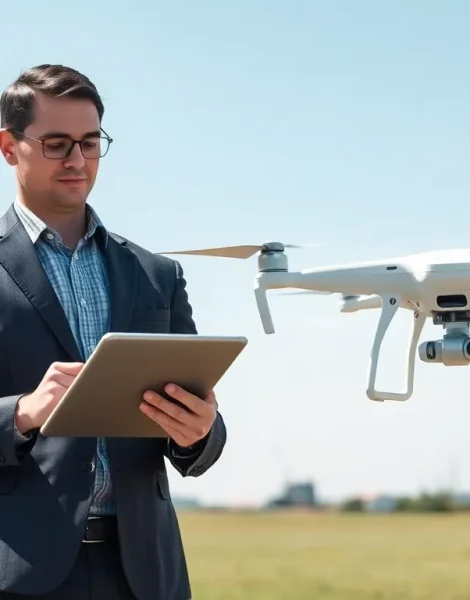
Drone strategies have transformed how industries approach aerial operations, from agriculture to construction to emergency response. Organizations now use drones to gather data, inspect infrastructure, and deliver goods faster than traditional methods allow. The global commercial drone market reached $30.6 billion in 2024, with projections showing continued growth through 2030. This article breaks down practical drone strategies that help businesses and operators maximize efficiency while staying compliant with regulations. Whether someone manages a fleet of drones or plans to launch their first aerial program, these approaches provide a foundation for successful drone operations.
Table of Contents
ToggleKey Takeaways
- Effective drone strategies begin with clear objectives, regulatory compliance, and thorough flight planning before any operation.
- Commercial drone operators in the U.S. must hold FAA Part 107 certification and carry liability insurance of at least $1 million.
- Optimizing flight paths and selecting the right altitude improves battery efficiency, data quality, and overall mission success.
- Weather, battery limitations, and signal interference are the most common challenges that drone strategies must account for with contingency plans.
- Consistent equipment maintenance and ongoing staff training prevent technical failures and keep drone operations running smoothly.
- Drones deliver significant cost savings across industries by replacing hours of manual inspection work with efficient aerial data collection.
Understanding the Role of Drones in Today’s Landscape
Drones serve multiple functions across diverse sectors. Farmers use them to monitor crop health and apply pesticides with precision. Construction companies deploy drones to survey job sites and track project progress. Emergency services rely on drone technology to locate missing persons and assess disaster damage.
The appeal of drone strategies lies in their versatility and cost savings. A single drone can replace hours of manual inspection work. For example, an oil company can inspect miles of pipeline in a fraction of the time a ground crew would require. Insurance adjusters now use drones to photograph roof damage without climbing ladders or hiring helicopters.
Real estate professionals have embraced aerial photography as a standard marketing tool. Drone footage gives potential buyers a complete view of properties and surrounding neighborhoods. This visual approach has become expected in competitive housing markets.
Beyond commercial uses, drones play a growing role in environmental monitoring. Researchers track wildlife populations, measure forest density, and monitor coastal erosion using drone-mounted sensors. These applications generate data that would be impossible or impractical to collect otherwise.
The technology continues to advance rapidly. Modern drones offer longer flight times, better cameras, and improved stability in adverse weather. Battery technology improvements mean operators can cover larger areas before landing to recharge. Artificial intelligence integration allows some drones to identify objects, follow targets, and make autonomous decisions during flight.
Key Strategies for Successful Drone Operations
Planning and Regulatory Compliance
Effective drone strategies start with solid planning. Every operation needs clear objectives before a drone leaves the ground. What data does the team need to collect? What areas require coverage? How will weather affect the flight window?
Regulatory compliance forms the backbone of any professional drone program. In the United States, the Federal Aviation Administration (FAA) requires commercial operators to hold a Part 107 certification. This license demonstrates that pilots understand airspace rules, weather patterns, and safety procedures.
Drone operators must also consider local regulations. Some cities restrict drone flights near airports, stadiums, or government buildings. Certain states require additional permits for commercial operations. Smart operators research these requirements before scheduling flights.
Privacy concerns deserve attention in any drone strategy. Flying over private property raises legal questions in many jurisdictions. Professional operators communicate with property owners and establish clear boundaries for their flights.
Insurance represents another planning essential. Commercial drone operations carry liability risks. A drone that crashes into a vehicle or injures a bystander can generate significant legal costs. Most professional operators carry at least $1 million in liability coverage.
Optimizing Flight Paths and Data Collection
Flight path optimization directly impacts the quality of drone operations. Efficient routes minimize battery usage while maximizing coverage area. Many operators use mission planning software to design flight patterns before takeoff.
Altitude selection affects both safety and data quality. Flying too low increases collision risks with obstacles. Flying too high reduces image resolution and may violate airspace restrictions. The optimal altitude depends on the specific mission objectives.
Data collection strategies vary by application. Mapping projects require overlapping images to create accurate 3D models. Inspection tasks demand close-up footage of specific components. Agricultural surveys benefit from multispectral sensors that reveal plant health invisible to standard cameras.
Post-flight data processing completes the operational cycle. Raw drone footage requires editing, analysis, and formatting before delivery to clients. Some organizations build in-house processing capabilities. Others partner with specialized firms that handle data conversion and analysis.
Consistent drone strategies include regular equipment maintenance. Batteries degrade over time and require replacement. Propellers need inspection for cracks or chips. Firmware updates fix bugs and add new features. A well-maintained drone fleet experiences fewer unexpected failures.
Overcoming Common Challenges in Drone Deployment
Weather presents the most frequent obstacle to drone operations. High winds ground flights and compromise data quality. Rain damages electronic components. Extreme temperatures affect battery performance. Successful drone strategies build weather contingencies into project timelines.
Battery limitations constrain mission scope. Most commercial drones offer 20-40 minutes of flight time per charge. Operators working large areas need multiple batteries and a charging system. Some teams bring generators to remote locations where grid power is unavailable.
Signal interference causes problems in certain environments. Urban areas with dense radio traffic can disrupt drone communications. Power lines and large metal structures create electromagnetic interference. Experienced operators scout locations and identify potential signal issues before flights.
Public perception creates occasional friction. Some people feel uncomfortable when drones fly near their homes or businesses. Professional operators minimize disruptions by scheduling flights during off-peak hours and maintaining respectful distances from uninvolved parties.
Technical failures happen even though careful preparation. GPS systems lose satellite lock. Cameras malfunction. Software crashes. Smart drone strategies include backup equipment and contingency plans. Operators who rely on a single drone for critical missions risk project delays and client disappointment.
Staff training remains an ongoing challenge. Drone technology evolves quickly, and yesterday’s best practices become outdated. Organizations with strong drone programs invest in continuous education for their pilots and support staff.