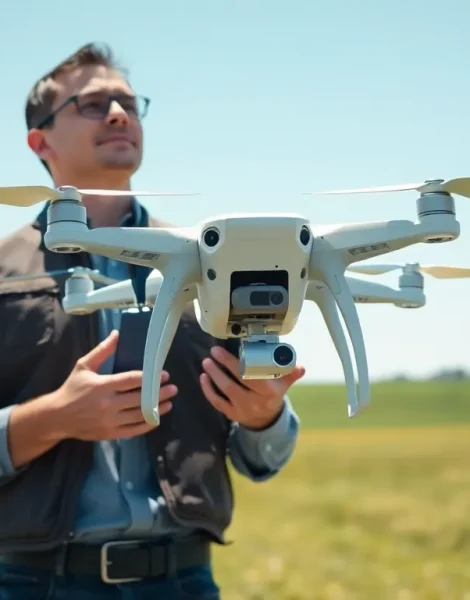
Mastering drone techniques separates casual hobbyists from skilled pilots who capture stunning footage and fly with precision. Whether someone just unboxed their first quadcopter or has logged hundreds of flight hours, there’s always room to sharpen their skills.
This guide covers the essential drone techniques every pilot needs. From basic flight control to advanced maneuvers, these methods will improve both safety and creativity in the air. The techniques discussed here apply to recreational flyers and professionals alike, anyone who wants better results from their aerial equipment.
Table of Contents
ToggleKey Takeaways
- Mastering fundamental drone techniques like hovering, smooth takeoffs, and orientation awareness builds the foundation for advanced flying.
- Practice reveal shots, tracking shots, and top-down angles to transform ordinary drone footage into professional-quality content.
- Advanced drone techniques like proximity flying and hyperlapses require precise control—start with easier variations before progressing.
- Always complete a pre-flight checklist covering propellers, batteries, GPS lock, and firmware to prevent avoidable crashes.
- Check airspace regulations using apps like B4UFLY before every flight to avoid fines and legal issues.
- Weather conditions, especially wind and cold temperatures, significantly impact drone performance and battery life.
Fundamental Flight Techniques Every Pilot Should Master
Strong fundamentals make everything else possible. Before attempting cinematic shots or acrobatic moves, pilots need solid control over basic drone techniques.
Hovering and Stability
Hovering sounds simple, but it’s the foundation of all flight. A pilot should practice holding a steady position at various altitudes without drifting. This builds muscle memory for the sticks and helps develop an instinct for how the drone responds to input.
Start by hovering at eye level for 30 seconds. Then try it at 10 feet, then 50 feet. Wind affects the drone differently at each altitude, so this exercise teaches adaptive control.
Smooth Takeoffs and Landings
Jerky takeoffs waste battery and increase crash risk. Smooth landings protect the gimbal and camera. The trick is gradual throttle adjustments, think of it like pressing a gas pedal gently rather than stomping on it.
For landings, pilots should descend slowly in the final few feet. Many beginners cut throttle too quickly and drop the drone the last foot or two. That impact adds up over time.
Orientation Awareness
This trips up almost every new pilot. When a drone faces the pilot, the controls feel reversed, push right, and the drone moves left from the pilot’s perspective. Practicing figure-eight patterns helps build orientation awareness. Flying the drone toward oneself, then away, then sideways builds the mental map needed for confident control.
Controlled Turns and Circles
Practicing smooth turns at consistent altitudes develops coordination between yaw and roll inputs. Pilots should fly circles around a fixed point, keeping the camera trained on that spot. This drill directly transfers to orbit shots used in videography.
Aerial Photography and Videography Techniques
Great footage requires more than good equipment. These drone techniques turn ordinary clips into professional-quality content.
The Reveal Shot
The reveal is a classic move where the drone starts facing an obstruction, a hill, building, or treeline, then rises or moves forward to reveal a dramatic landscape behind it. Timing matters here. Move too fast, and the reveal feels rushed. Too slow, and viewers lose interest.
A good reveal takes 8-12 seconds from start to finish. The pilot should practice the move several times before hitting record.
Tracking and Follow Shots
Following a moving subject, a car, runner, or boat, creates dynamic footage. The key drone technique here is maintaining consistent distance and speed. Most modern drones offer automated tracking modes, but manual tracking often produces smoother results with practice.
Sideways tracking shots add depth. Instead of following directly behind a subject, pilots can fly parallel to capture the subject against a changing background.
The Top-Down Shot
Pointing the camera straight down creates striking geometric compositions. Roads become lines. Crowds become patterns. Water reveals colors invisible from ground level. This technique works best at higher altitudes where the drone’s shadow won’t appear in frame.
Low and Slow
Flying close to the ground at slow speeds creates a sense of speed and drama. Skimming over water, grass, or sand at just a few feet produces footage that feels fast even at walking pace. This drone technique requires careful attention to obstacles and terrain changes.
Advanced Maneuvers for Experienced Pilots
Once pilots master the basics, they can attempt more challenging drone techniques that push their skills further.
The Dronie
This selfie-style shot starts close to the subject and pulls back while rising, revealing the surrounding environment. The move combines backward flight with altitude gain, requiring smooth coordination of multiple inputs. Some drones automate this, but manual execution offers more creative control.
Proximity Flying
Flying close to structures, through gaps, or under obstacles demands precise control. Pilots should start with large openings and gradually work toward tighter spaces. FPV (first-person view) goggles help with proximity flying by giving pilots a direct camera perspective.
This advanced drone technique carries higher risk. Pilots should only attempt it in areas where a crash won’t damage property or injure people.
Hyperlapse
A hyperlapse compresses time by taking photos at intervals while the drone moves along a path. The resulting video shows clouds racing, shadows shifting, and traffic flowing in seconds. This technique requires planning the flight path carefully and maintaining consistent speed throughout.
Banked Turns
Combining roll and yaw creates banked turns that mimic helicopter or airplane movements. These look dramatic in video and feel more natural than flat yaw-only turns. The pilot tilts the drone into the turn while rotating, creating a smooth arc rather than a pivot.
Safety Practices and Pre-Flight Preparation
All the drone techniques in the world won’t help if a pilot crashes on takeoff or violates airspace regulations. Preparation prevents most problems.
Pre-Flight Checklist
Every flight should start with a quick inspection:
- Check propellers for cracks or chips
- Verify battery charge on both drone and controller
- Confirm GPS lock before taking off
- Test gimbal movement
- Check for firmware updates
This takes two minutes and prevents hours of frustration.
Know the Airspace
Apps like B4UFLY and Airmap show restricted zones, airport proximity, and temporary flight restrictions. Flying in prohibited airspace can result in fines and legal trouble. Responsible pilots check airspace before every flight, even in familiar locations.
Weather Awareness
Wind is the biggest weather factor for drone pilots. Most consumer drones handle winds up to 20-25 mph, but gusts can exceed that limit quickly. Rain damages electronics. Cold temperatures reduce battery life significantly, sometimes by 30% or more.
Line of Sight
Regulations in most countries require visual line of sight during flight. This means pilots should keep the drone visible at all times without binoculars or other aids. Beyond legal requirements, maintaining line of sight helps pilots react to unexpected obstacles or aircraft.
Emergency Procedures
Pilots should know how to execute a return-to-home command quickly. They should also practice manual landings in case GPS fails. Understanding what happens if signal is lost, most drones will hover, then return home automatically, prevents panic during unexpected disconnections.