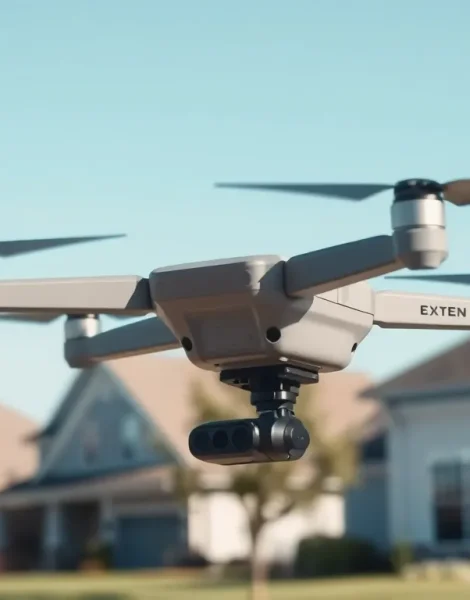
Finding the best drones in 2025 means matching the right aircraft to a buyer’s budget and experience level. The drone market has grown fast, and options now range from affordable starter models to cinema-quality flying cameras. Whether someone wants to capture vacation footage or shoot professional real estate videos, there’s a drone built for the job. This guide breaks down top picks across three categories, beginner, mid-range, and professional, plus the features that matter most before clicking “buy.”
Table of Contents
ToggleKey Takeaways
- The best drones in 2025 range from beginner-friendly models under $100 to professional cinema drones costing over $16,000.
- Beginners should prioritize obstacle sensors, auto-hover features, and drones under 249 grams to avoid registration requirements.
- Mid-range drones like the DJI Air 3 offer up to 46 minutes of flight time, dual cameras, and 4K/60fps video for serious hobbyists.
- Sensor size matters more than megapixel count—larger sensors (1-inch or bigger) deliver cleaner footage in low-light conditions.
- Professional pilots using drones commercially in the U.S. must obtain a Part 107 certificate from the FAA.
- Intelligent flight modes like ActiveTrack and MasterShots help hobbyists capture cinematic footage without advanced piloting skills.
Top Drones for Beginners
New pilots need drones that forgive mistakes. The best drones for beginners offer easy controls, stable flight, and prices that won’t sting if the first landing goes sideways.
DJI Mini 4K
DJI’s Mini 4K sits at the top of beginner lists for good reason. It weighs under 249 grams, so registration isn’t required in most countries. The drone shoots crisp 4K video, holds steady in light wind, and returns home automatically if the signal drops. At around $300, it’s an excellent entry point.
Holy Stone HS720E
For budget-conscious buyers, the Holy Stone HS720E delivers solid performance under $350. It features GPS-assisted flight, a 4K camera with electronic image stabilization, and roughly 23 minutes of flight time. The controls feel intuitive, and the drone includes a carrying case.
Ryze Tello
At under $100, the Ryze Tello works well for anyone testing the waters. It’s small, light, and pairs with a smartphone app for easy control. Video quality caps at 720p, but that’s fine for learning basic maneuvers. Tello also supports scratch programming, making it popular with parents teaching kids to code.
Beginners should prioritize obstacle sensors and auto-hover features. These safety nets prevent crashes and build confidence before moving to faster, more advanced aircraft.
Best Mid-Range Drones for Hobbyists
Hobbyists who’ve mastered the basics want more camera power, longer flight times, and creative shooting modes. Mid-range drones, typically priced between $500 and $1,200, deliver serious upgrades without professional price tags.
DJI Air 3
The DJI Air 3 stands out as one of the best drones in the mid-range category. It packs dual cameras (wide-angle and 3x telephoto), shoots 4K/60fps HDR video, and flies up to 46 minutes on a single charge. Omnidirectional obstacle sensing keeps it safe, and features like MasterShots automate cinematic clips.
Autel EVO Nano+
Autel’s EVO Nano+ competes directly with DJI’s offerings. It weighs under 249 grams yet packs a 1/1.28-inch sensor for better low-light footage. Flight time hits about 28 minutes, and the SkyLink transmission system maintains connection up to 6.2 miles away. Autel’s app feels polished and offers strong manual controls.
DJI Mini 4 Pro
The Mini 4 Pro punches above its weight class. Even though its compact frame, it shoots 4K/60fps video with true vertical shooting for social media content. ActiveTrack 360° follows subjects smoothly, and the drone handles wind gusts surprisingly well.
Hobbyists should look for drones with RAW photo capability and adjustable camera settings. These features allow more flexibility during editing and help footage look professional.
Professional-Grade Drones for Serious Pilots
Professional pilots need the best drones that deliver broadcast-quality footage, extended range, and reliability in demanding conditions. These aircraft cost more, often $1,500 and up, but they earn their keep on commercial shoots.
DJI Mavic 3 Pro
The Mavic 3 Pro remains a favorite among videographers. Its triple-camera system includes a Hasselblad main sensor, a 70mm medium telephoto, and a 166mm telephoto lens. It captures 5.1K/50fps and Apple ProRes 422 HQ for color grading flexibility. Flight time stretches to 43 minutes, and the transmission range extends over 9 miles.
DJI Inspire 3
For cinema work, the Inspire 3 sets the standard. It shoots 8K RAW video on a full-frame Zenmuse X9-8K Air gimbal camera. The airframe allows 360-degree camera rotation without propellers in frame. Dual-operator mode lets one person fly while another controls the camera. It’s expensive, around $16,000, but production companies rely on it.
Autel EVO II Pro
The EVO II Pro offers a 1-inch sensor, 6K video, and 42 minutes of flight time at a lower price than DJI’s top models. It handles well in wind, and Autel’s customer service has earned praise from commercial operators.
Professionals should also consider licensing requirements. In the U.S., commercial drone use requires a Part 107 certificate from the FAA.
Key Features to Consider When Buying a Drone
Choosing the best drones comes down to matching features to intended use. Here are the factors that matter most.
Camera Quality
Sensor size affects image quality more than megapixel count. Larger sensors (1-inch or bigger) capture more light and produce cleaner footage, especially at dusk or dawn. For social media clips, 4K resolution works well. Professional work often demands 5.1K or higher plus LOG color profiles.
Flight Time and Range
Most consumer drones fly 20 to 45 minutes per battery. Longer sessions require extra batteries. Transmission range varies from 2 miles on entry-level models to 9+ miles on professional units. Real-world range depends on interference and line of sight.
Obstacle Avoidance
Sensors on multiple sides help drones detect and avoid trees, buildings, and other hazards. Omnidirectional sensing provides the best protection. Beginners benefit most from these systems, but even experts appreciate the safety net.
Portability
Foldable designs fit into backpacks and travel cases. Weight under 249 grams often means fewer registration requirements. Heavier drones typically offer better cameras and wind resistance but demand more planning for transport.
Intelligent Flight Modes
Features like ActiveTrack, Point of Interest, and Waypoints automate complex shots. These modes help hobbyists capture professional-looking footage without advanced piloting skills.