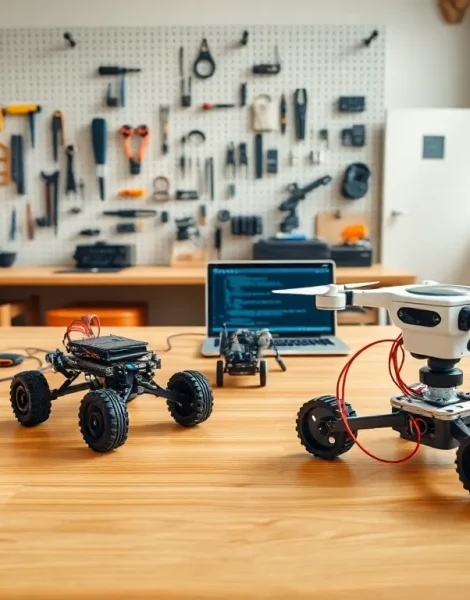
Robotics ideas spark creativity across skill levels, from weekend tinkerers to seasoned engineers. The field has grown more accessible than ever. Affordable microcontrollers, open-source software, and 3D printing have lowered barriers to entry. Whether someone wants to build a simple line-following bot or design an autonomous drone, the options are vast.
This article covers robotics projects for beginners and advanced builders alike. It also explores real-world applications and emerging trends shaping where robotics is headed. The goal is simple: provide actionable inspiration for anyone ready to build something.
Table of Contents
ToggleKey Takeaways
- Robotics ideas range from beginner-friendly projects like line-following robots to advanced builds like autonomous drones and AI-powered machines.
- Affordable microcontrollers, open-source software, and 3D printing have made robotics more accessible than ever for hobbyists and engineers.
- Practical robotics applications include home automation, healthcare assistive devices, agriculture, education, and logistics.
- Emerging trends like soft robotics, collaborative robots (cobots), and edge computing are shaping the future of the field.
- Open-source platforms like ROS and ArduPilot provide free tools and community support to accelerate your robotics ideas into working projects.
Beginner-Friendly Robotics Projects to Start Today
Starting with robotics doesn’t require an engineering degree. Several beginner-friendly robotics ideas can get anyone building within a weekend.
Line-Following Robots
A line-following robot uses infrared sensors to detect a dark line on a light surface. The robot adjusts its motors to stay on track. This project teaches basic sensor integration, motor control, and programming logic. Arduino boards work well for this, and kits cost under $50.
Obstacle-Avoiding Robots
These robots use ultrasonic sensors to detect objects in their path. When an obstacle appears, the robot changes direction. This project introduces distance measurement and conditional programming. It’s a natural next step after mastering line-followers.
Remote-Controlled Cars
Building a remote-controlled car teaches wireless communication basics. Hobbyists can use Bluetooth modules with Arduino or Raspberry Pi. The project combines mechanical assembly with electronics and software. Plus, it’s genuinely fun to drive around.
Robotic Arms
Simple robotic arms with three or four degrees of freedom make excellent starter projects. Servo motors control each joint. Builders learn about kinematics, torque, and precision movement. Many use these arms for pick-and-place tasks or as desk toys.
These beginner robotics ideas build foundational skills. They also produce working machines that demonstrate real progress.
Advanced Robotics Ideas for Experienced Builders
Experienced builders often seek robotics ideas that push technical boundaries. These projects demand deeper knowledge of electronics, programming, and mechanical design.
Autonomous Drones
Building an autonomous drone requires expertise in flight controllers, GPS integration, and computer vision. These machines can perform tasks like aerial mapping, delivery, or search-and-rescue simulations. Open-source platforms like PX4 and ArduPilot provide solid starting points.
Humanoid Robots
Humanoid robots mimic human movement and interaction. They require sophisticated motor control, balance algorithms, and often voice recognition. Projects like InMoov offer open-source blueprints for 3D-printed humanoid robots. This robotics idea combines multiple disciplines into one ambitious build.
Swarm Robotics
Swarm robotics involves multiple small robots working together. Each unit follows simple rules, but collective behavior produces complex results. This field draws from biology, particularly ant and bee colonies. Builders explore decentralized control and inter-robot communication.
AI-Powered Robots
Integrating machine learning into robots opens new possibilities. A robot can learn to recognize objects, respond to voice commands, or improve its performance over time. TensorFlow Lite and Edge Impulse let builders deploy AI models on microcontrollers. These robotics ideas represent the cutting edge of the hobby.
Industrial-Style Automation
Some hobbyists recreate industrial automation systems at home. This includes conveyor systems, sorting machines, and quality inspection setups. These projects teach programmable logic controllers (PLCs) and industrial communication protocols.
Robotics Applications in Everyday Life
Robotics ideas aren’t just for hobbyists, they solve real problems in daily life. Understanding these applications can inspire new project directions.
Home Automation
Robotic vacuum cleaners and lawn mowers have become household staples. DIY builders can create custom home automation robots. Examples include pet feeders, plant watering systems, and security patrol bots. These projects combine robotics with smart home integration.
Healthcare and Assistive Devices
Robotics serves healthcare through prosthetics, rehabilitation devices, and surgical assistants. Hobbyists contribute to this space by building low-cost prosthetic hands and assistive tools. The e-NABLE community, for instance, produces 3D-printed prosthetics for people worldwide.
Agriculture
Agricultural robots handle planting, weeding, and harvesting. Small-scale versions of these machines can tend home gardens. Builders have created robots that monitor soil moisture, detect pests, and even pick ripe produce.
Education
Robotics kits teach students programming, engineering, and problem-solving. Many robotics ideas translate directly into educational tools. Teachers and parents use projects like maze-solving robots to make STEM subjects engaging.
Logistics and Delivery
Companies deploy robots for warehouse automation and last-mile delivery. Hobbyists experiment with smaller versions. Building a delivery robot that moves packages around a home or office demonstrates practical robotics skills.
Emerging Trends Shaping the Future of Robotics
Several trends are changing how people approach robotics ideas. Staying aware of these developments helps builders plan relevant projects.
Soft Robotics
Traditional robots use rigid materials. Soft robotics uses flexible components like silicone and fabric. These robots can grip delicate objects, squeeze through tight spaces, and interact safely with humans. The field is growing quickly, and DIY soft robotics projects are becoming more common.
Collaborative Robots (Cobots)
Cobots work alongside humans rather than in isolated cells. They include safety features that allow physical interaction. Hobbyists interested in robotics ideas for real-world workplaces often study cobot design principles.
Edge Computing
Processing data on the robot itself, rather than in the cloud, reduces latency and improves reliability. New microcontrollers pack impressive computing power. This trend enables faster, more responsive robots without internet dependency.
Open-Source Hardware
Open-source robotics platforms continue to grow. Projects like ROS (Robot Operating System) provide standardized tools for robot development. Communities share designs, code, and documentation freely. This openness accelerates innovation and makes advanced robotics ideas accessible to more people.
Human-Robot Interaction
Robots are becoming better at understanding and responding to humans. Natural language processing, gesture recognition, and emotional AI are advancing. Future robotics ideas will likely focus on making robots more intuitive companions and assistants.