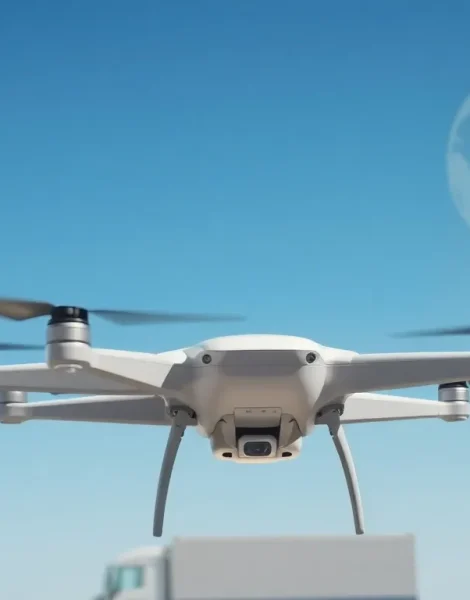
Drones vs traditional methods, which option makes more sense for your next project? This question comes up constantly across industries, from filmmakers scouting locations to logistics companies rethinking last-mile delivery. Drones have moved well beyond hobbyist gadgets. They now compete directly with helicopters, satellites, and conventional delivery trucks in ways that seemed impossible a decade ago. This comparison breaks down when drones outperform older approaches, where they still fall short, and how to decide which tool fits your specific needs.
Table of Contents
ToggleKey Takeaways
- Drones vs helicopters favors drones for most commercial photography due to lower costs ($150–$500/hour vs $1,500–$3,000/hour) and greater maneuverability.
- Drones achieve 20x better resolution than satellites for mapping, making them ideal for construction monitoring and precision surveying.
- Drone delivery bypasses traffic and can reduce delivery times from 45 minutes to just 8 minutes, but payload limits restrict them to lightweight, time-sensitive items.
- The commercial drone market is projected to exceed $55 billion by 2030 as businesses discover faster, safer, and more cost-effective solutions.
- Drones vs traditional methods ultimately depends on your project’s specific needs—consider factors like coverage area, payload requirements, weather conditions, and regulatory restrictions.
- Electric drones offer environmental benefits with zero direct emissions, but battery life (20–45 minutes) and weather sensitivity remain key limitations.
What Are Drones and How Are They Used Today
Drones, also called unmanned aerial vehicles (UAVs), are aircraft that operate without a human pilot onboard. They range from palm-sized quadcopters to fixed-wing models with 20-foot wingspans. A remote operator or autonomous software controls their flight.
Today, drones serve dozens of industries. Real estate agents use them for property listings. Farmers monitor crop health across thousands of acres. Construction crews track project progress from above. Search and rescue teams locate missing persons in rough terrain. Power companies inspect transmission lines without sending workers up dangerous poles.
The commercial drone market hit approximately $30 billion in 2024, and analysts project it will exceed $55 billion by 2030. This growth reflects how many businesses have discovered that drones solve real problems faster and cheaper than older methods.
Drones vs traditional approaches isn’t just about cost savings, though. Speed, safety, and data quality often matter more. A drone can photograph a cell tower in 15 minutes. The same inspection with a climber takes half a day and involves significant risk. These practical advantages explain why drones have gained ground so quickly.
Drones vs Helicopters for Aerial Photography
The drones vs helicopters debate gets heated among filmmakers and photographers. Both capture stunning aerial footage, but they excel in different situations.
Cost Comparison
Helicopter rentals typically run $1,500 to $3,000 per hour, including pilot and fuel. A professional drone operator charges $150 to $500 per hour. For a two-hour shoot, that’s a difference of $2,000 to $5,000. Budget-conscious productions favor drones for obvious reasons.
Maneuverability and Access
Drones win on flexibility. They fly through narrow gaps, hover inches from subjects, and capture shots impossible for larger aircraft. A helicopter can’t weave between buildings or skim across a lake’s surface.
Helicopters hold advantages for speed and distance. They cover miles of coastline in minutes and carry heavier camera rigs. Feature films with sweeping landscape shots still rely on helicopters for certain sequences.
Safety Considerations
Drones pose minimal risk to operators. Helicopter crashes, while rare, can be fatal. Insurance costs reflect this reality, drone coverage runs a fraction of helicopter policies.
Image Quality
Modern cinema drones carry cameras that match helicopter-mounted systems. The DJI Inspire 3 shoots 8K video with a full-frame sensor. For most commercial work, viewers can’t tell the difference between drone and helicopter footage.
Drones vs Satellites for Mapping and Surveying
Drones vs satellites represents a classic tradeoff between coverage and detail. Both technologies produce valuable geospatial data, but they serve different purposes.
Resolution and Accuracy
Commercial satellites capture imagery at 30 to 50 centimeters per pixel. Survey-grade drones achieve 1 to 2 centimeters per pixel. That’s a 20x improvement in detail. For construction site monitoring, mining volume calculations, or archaeological documentation, drones deliver the precision projects require.
Timing and Flexibility
Satellites follow fixed orbital paths. Clouds block their view. Getting fresh imagery of a specific location might take days or weeks. Drones fly on demand, under cloud cover, and repeat passes within hours if conditions change.
Coverage Area
Satellites excel at scale. They image entire countries in single passes. A drone might cover 200 acres in a day. For national infrastructure assessments or climate monitoring, satellites remain essential.
Cost Structure
Satellite imagery costs $10 to $50 per square kilometer for archived data. Custom tasking runs $500 to $2,000 per scene. Drone surveys cost $100 to $500 per acre depending on deliverables. Small to mid-sized projects favor drones economically, while continent-scale analysis needs satellites.
Drones vs Traditional Delivery Methods
Drones vs traditional delivery sparks big debates in logistics circles. Companies like Amazon, Wing, and Zipline have invested billions in drone delivery systems. But trucks, bikes, and foot couriers aren’t going anywhere soon.
Speed Advantage
Drones bypass traffic entirely. A package that takes 45 minutes by van might arrive in 8 minutes by air. For medical supplies, organ transport, or emergency equipment, this speed saves lives. Zipline’s drones deliver blood products to rural African hospitals faster than any ground vehicle could manage.
Payload Limitations
Current delivery drones carry 5 to 15 pounds maximum. That excludes most e-commerce orders. A single delivery truck hauls hundreds of packages per route. Drones work best for lightweight, time-sensitive items, not bulk goods.
Weather and Range
Strong winds, rain, and extreme temperatures ground drone fleets. Delivery trucks operate in nearly all conditions. Range also limits drones to roughly 10 to 20 miles round-trip. Rural and suburban areas suit drone delivery better than dense urban environments with airspace restrictions.
Environmental Impact
Electric drones produce zero direct emissions and use less energy per delivery than diesel trucks. For sustainability-focused companies, drones represent a greener last-mile option. But, battery production carries its own environmental costs.
Pros and Cons of Choosing Drones Over Alternatives
Deciding between drones vs traditional methods requires honest assessment. Here’s a quick breakdown:
Advantages of Drones
- Lower operating costs for many applications
- Faster deployment with minimal setup time
- Improved safety by removing humans from dangerous situations
- Higher resolution data for inspection and mapping tasks
- Access to difficult locations like rooftops, cliffs, and confined spaces
- Reduced environmental impact compared to fuel-burning alternatives
Disadvantages of Drones
- Limited flight time (typically 20 to 45 minutes per battery)
- Weather sensitivity that grounds operations during storms
- Regulatory restrictions requiring permits, certifications, and airspace approval
- Payload constraints that rule out heavy equipment or large cargo
- Privacy concerns from communities wary of aerial surveillance
- Skill requirements for safe operation and quality data capture
The best choice depends on specific project needs. Drones vs helicopters favors drones for most commercial photography. Drones vs satellites depends on whether precision or coverage matters more. Drones vs traditional delivery works for urgent, lightweight shipments but not bulk logistics.